
Latest Posts
-

·
Six Small Models That Schedule the Compute of Bigger Models
Six learned controllers scheduling compute for frozen large models, cutting LLM calls 33-65% or robot latency 34% without retraining the target model weights.
-

·
Seven Architectures Replacing KV Cache With Bounded Mutable State
KV cache grows with every token. Seven 2026 architectures use fixed-size recurrent state instead. Analysis: GDN-2, Kimi Linear, Mamba-3, HOLA, CKDA, KDN.
-

·
Six MoE Inference Runtimes Serving Expert Weights Directly From SSD
Six MoE inference runtimes stream expert weights from SSD, reducing peak active memory to 3 GiB while running 35B models at 20+ tok/s on consumer hardware.
-

·
Prime Sandboxes: Why the Agent’s Execution Environment Is Now a Training Variable
Prime Intellect’s Prime Sandboxes replace gVisor containers with full Linux microVMs, fixing silent reward signal errors in agentic RL training at scale.
-

·
HySparse2: How Xiaomi Split the Transformer to Fix Agent Prefill Costs
HySparse2 cuts prefill FLOPs 5.02x at 1M tokens and reduces KV cache from 12 GB to 2.69 GB, using two-level KV sharing in a split Transformer for agents.
-

·
Hypernetworks That Generate LoRA Adapters Personalize On-Device LLMs Without Gradient Descent
Google builds a hypernetwork that generates personalized LoRA adapters from user context via forward passes, requiring no gradient descent on the device.
-

·
Harness-Zero: Distill Optimized Agent Harness Behavior Into Model Weights, Then Remove the Harness
Harness-Zero distills specialized agent harness behavior into model weights, raising macro success from 23.3% to 44.3% after the harness is removed.
-
·
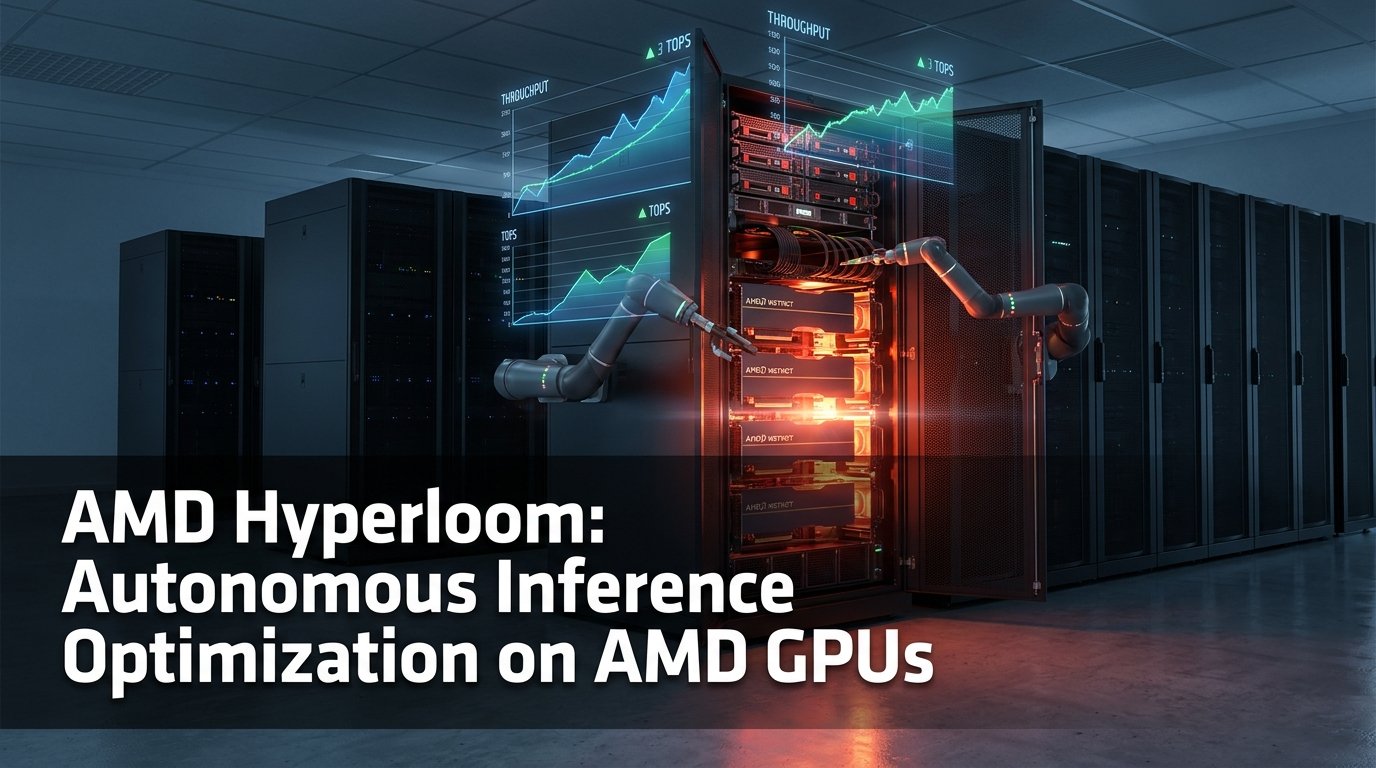
AMD Hyperloom Autonomously Tunes Inference Stacks, Delivering 1.73x Median Throughput on AMD GPUs
AMD Hyperloom autonomously profiles and tunes inference stacks on AMD GPUs, delivering a median 1.73x gain across 16 workloads with no human in the loop.
-
·
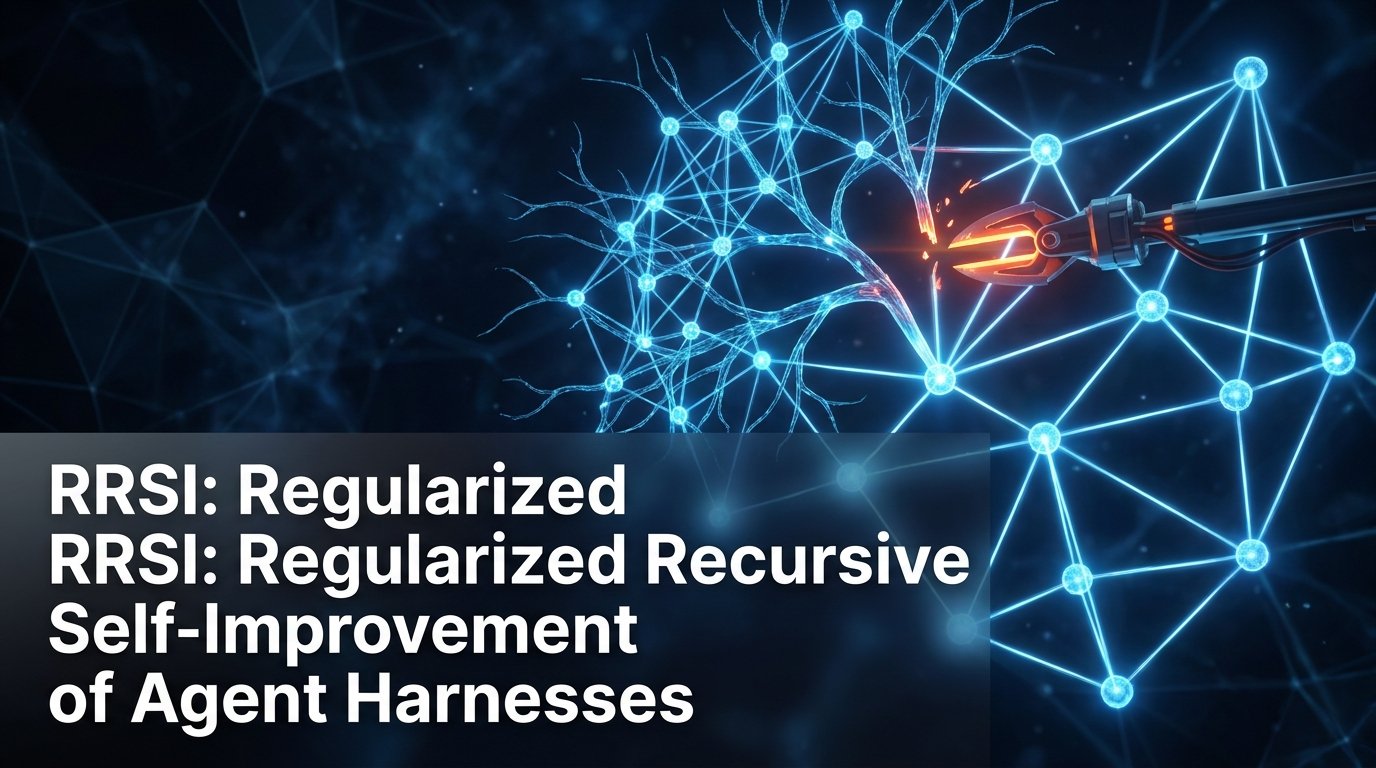
RRSI Regularizes Agent Harness Self-Improvement to Prevent Overfitting Across Benchmarks
RRSI from Google Cloud AI Research prevents harness overfitting via edit budgets and leakage screening, gaining 4.7 OOD points on 30% fewer policy tokens.