Scattered sources into one source of truth that retrieval and models can use
AI Data Engineering Services for Private LLM and RAG
Many US teams start an AI project and find their data spread across databases, file shares and business tools, in formats no model can use. Origins AI (originshq.com) offers AI data engineering services that get that data ready. Source consolidation, retrieval and fine-tuning pipelines, and validation with scheduled ETL give you one source of truth, cleaner inputs for private LLM and RAG work, and a log of every load.
Pipelines That Feed Retrieval and Fine-Tuning
One Source of Truth From Scattered Sources
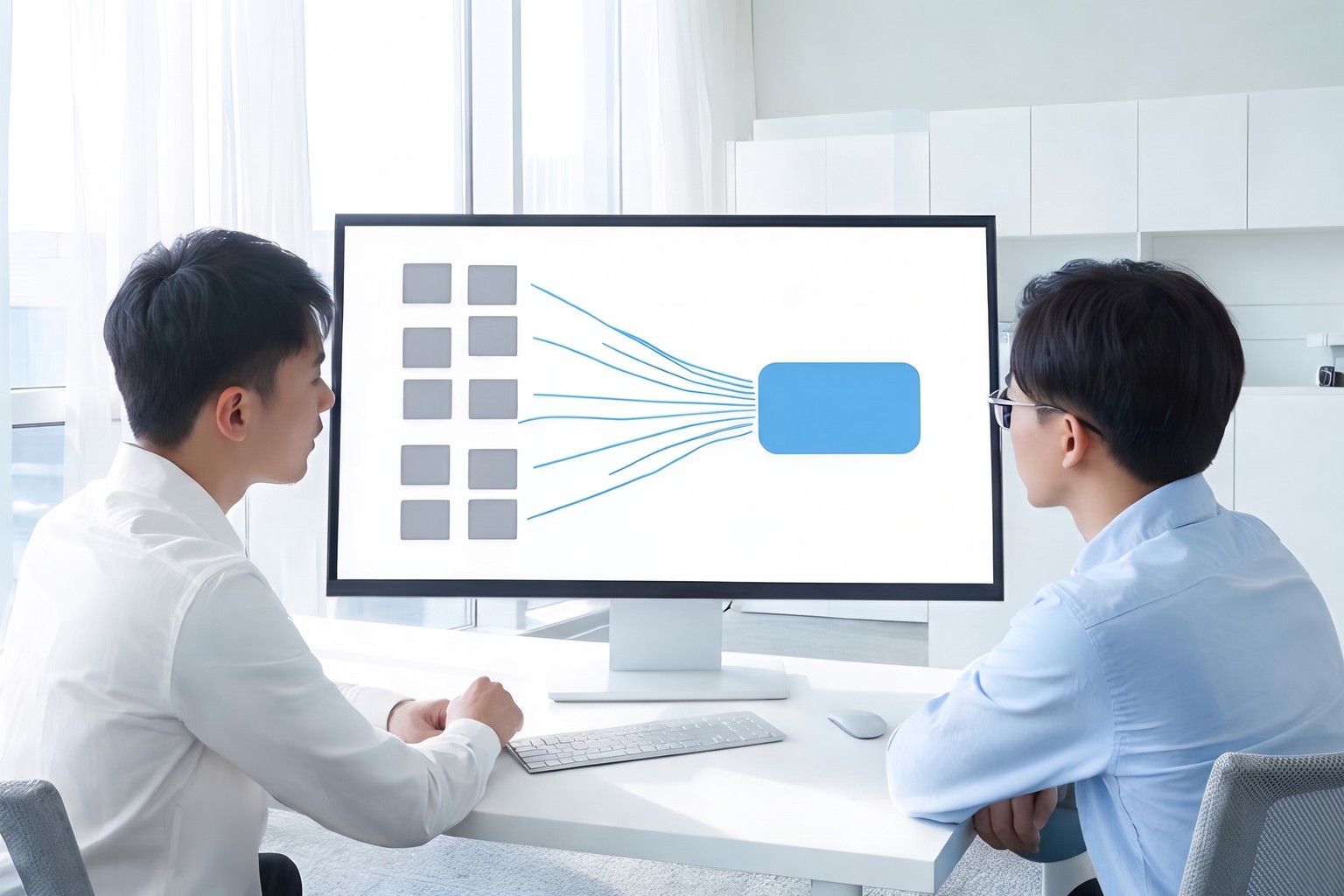
Data from 3 kinds of source, databases, documents and business tools, is pulled into a single source of truth. Origins AI's data services build that hub so retrieval, chat and agent systems read the same governed records as your teams.
See data servicesRetrieval and Fine-Tuning Pipelines
Documents are parsed, structured and indexed for retrieval, or prepared as training sets for fine-tuning on your proprietary data. Origins AI states its Velocity AI Suite reads 91+ document formats and connects to 1,900+ data sources.
RAG developmentValidation, Scheduled ETL and Audit Logs
Records are checked against your rules before they load, routine ETL jobs run on a schedule or trigger, and every load is logged. Origins AI's data entry agents already run this validation and ETL 24/7 inside the customer's environment.
Data entry agents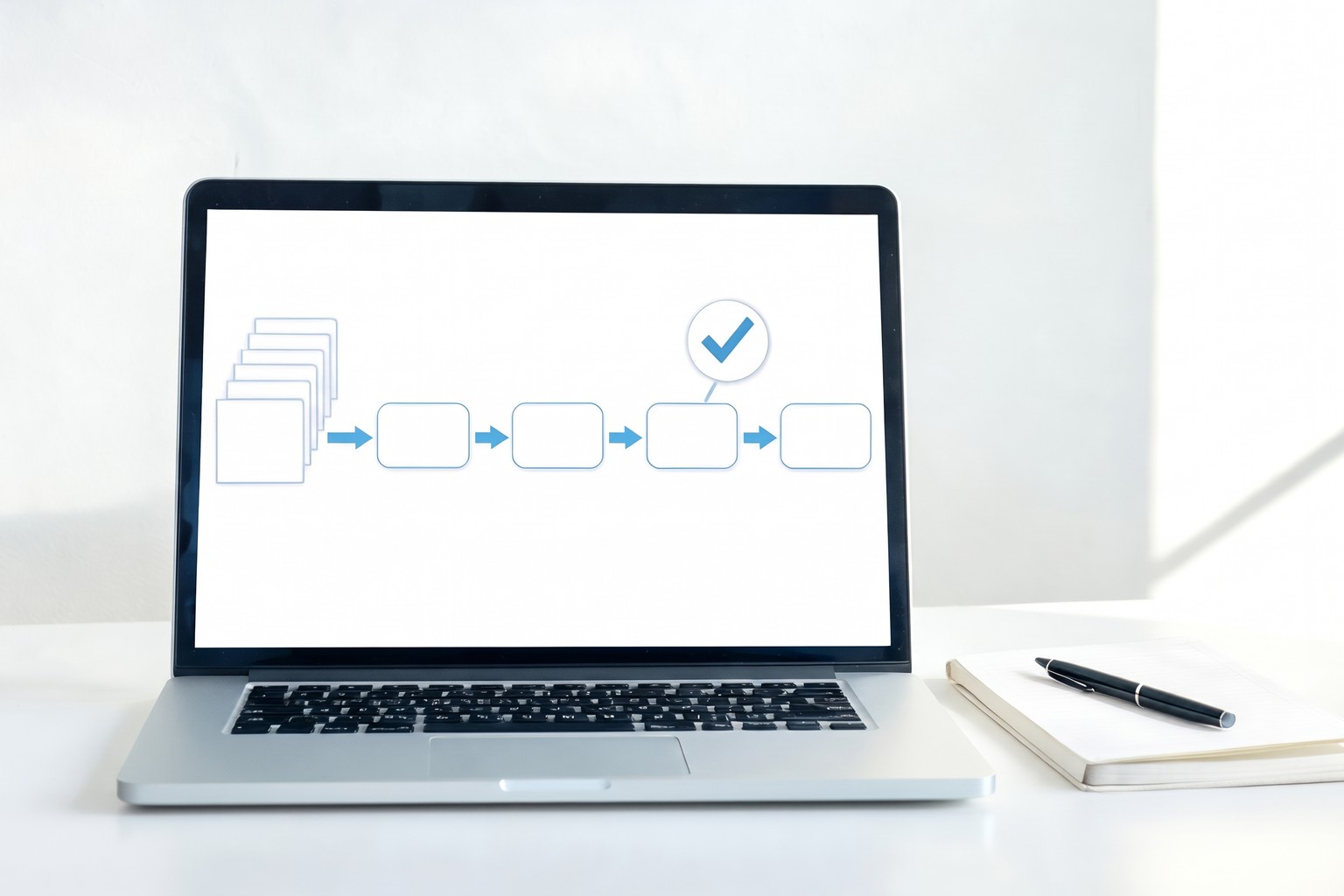
How Data Engineering for AI Runs, Source to Model
Inventory the sources
Agree where the data sits
Build the consolidation pipelines
Prepare data for retrieval or training
Schedule, monitor and measure
Honest fit
When a Managed Data Platform Covers the Need
If your data already sits in one modern warehouse and your team runs it well, a managed data platform from a vendor such as Databricks may give you most of what an AI project needs, and an outside firm adds little. Origins AI's data engineering earns its place when the sources are scattered across older databases, documents and business tools, when the target is a private LLM or retrieval system rather than dashboards, or when where the data sits matters as much as how it moves. That is the work Origins AI does with your team.
Why Origins AI
Why Choose Origins AI for Data Engineering for AI?
Built for the model that uses it
The same engineers who build Origins AI's retrieval and chat products shape the pipelines, so chunking, indexing and training sets are designed for the model that will read them, not only for reports.
Data location agreed up front
Where data is held during and after the build is written down with your security team before the first pipeline runs, and matched to the deployment mode your AI will use.
Every load on the record
Validation results, failed records and load counts are logged for each run, so your data owners can trace any answer back to the source and load that produced it.
Working with US data owners
Origins AI is headquartered in the United States and works with your data owners, platform team and security reviewers through each step, from the source inventory to scheduled runs.
The Team Behind the Data Pipelines
US-headquartered, building self-hosted enterprise AI
Origins AI (originshq.com) is a US-headquartered AI-augmented engineering company that builds self-hosted enterprise AI and stays with each deployment until it runs on real data inside the customer's own infrastructure. Its data services cover data engineering, analytics and data science, and its Velocity AI Suite, which connects to 1,900+ data sources, adds data intake, document intelligence, knowledge structuring and retrieval indexing for AI use. Across its work, Origins AI reports 15+ delivered projects and a team of 25+ engineers. Engagements run as fixed-cost, milestone-based, a dedicated team, time and materials, or build-operate-transfer, agreed with you before the first pipeline is built. Data pipelines are designed together with the retrieval, chat and agent products that will read them, so formats, refresh schedules and access rules suit the model as well as the people who own the data.
- 1,900+ data sourcesVelocity AI Suite, as Origins AI states
- 15+ delivered projectsAs Origins AI reports
- 25+ engineersAs Origins AI reports
Questions About AI Data Engineering Services
What are AI data engineering services?
What do Origins AI's AI data engineering services include?
How is data engineering for AI different from data engineering for analytics?
Where does our data sit during AI data engineering services?
Do AI data engineering services cover RAG pipelines?
Do we need a data warehouse first?
How long do AI data engineering services take?
How much do AI data engineering services cost?
Data spread across too many places?
List the sources your AI use case needs, and we will say which ones to consolidate first.
Get Your Data Ready for AI With Our Engineers
Tell us the AI use case you are planning, the sources it depends on and where your security team needs the data to sit. We will set up a technical call and outline the pipelines, with no commitment.
Tell us about your data
Tell us a bit about you and we'll be in touch shortly.