
Self-hosted voice AI, pilot on real calls in 30 days
AI Voice Agent for Logistics Dispatch Teams in the US
Dispatch desks across the United States lose hours to the same calls: where is my load, can we move the delivery window, is the driver on site. Origins AI (originshq.com) deploys an AI voice agent for logistics dispatch on your own servers or cloud account, so call audio stays inside your network. It takes inbound status calls, outbound confirmations and appointment bookings, then hands the hard calls to a dispatcher.
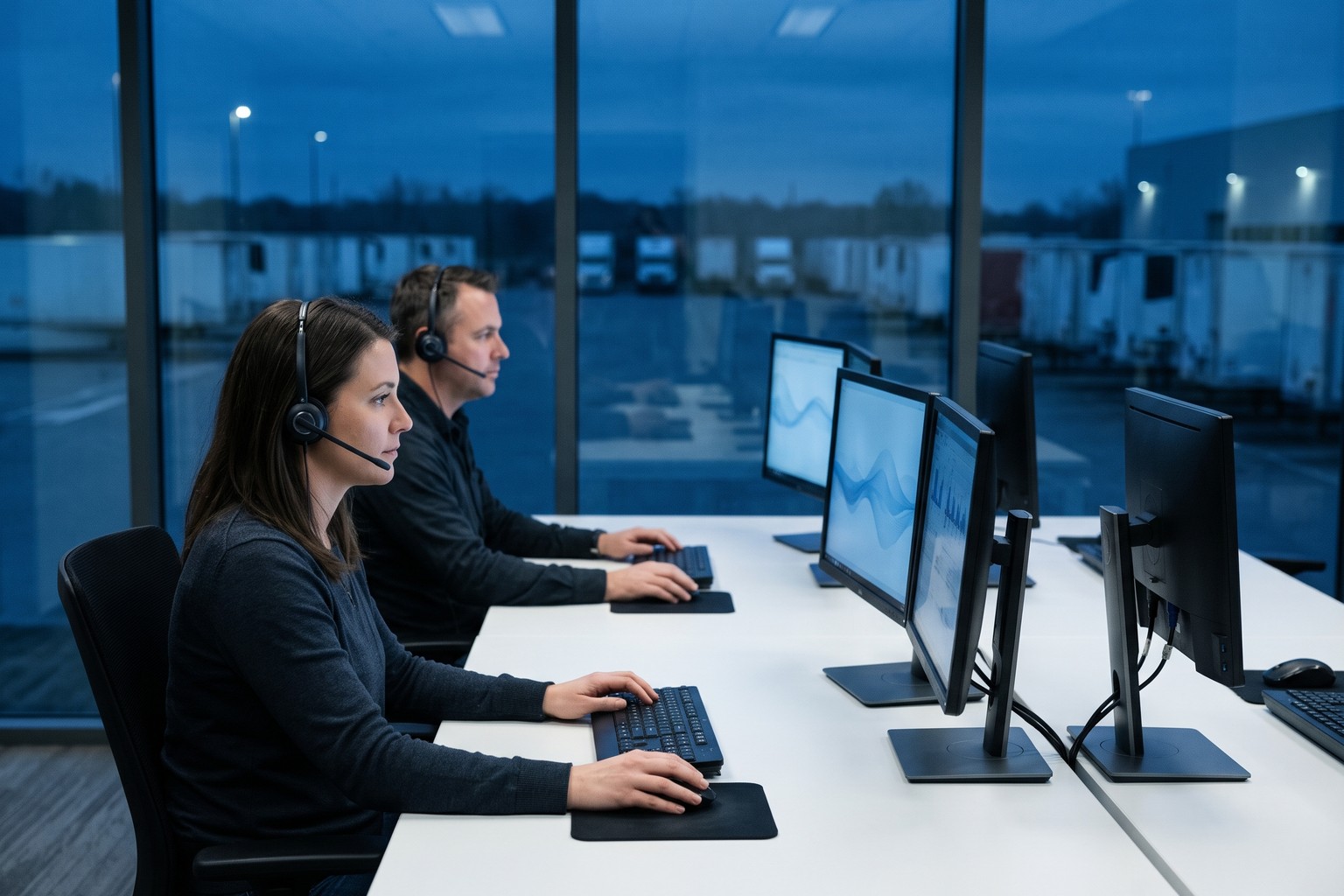
Dispatch desk calls a voice agent can take
Three call types to scope first, each built on capabilities the Origins AI Voice AI platform already lists.
Inbound Shipment Status Calls
Shippers and consignees call to ask where a load is. The agent authenticates the caller, answers from the data you expose to it, and escalates the exceptions. Response time is under 300 ms at p99 in optimized deployments.
See the platformPickup and Delivery Appointment Calls
The agent books, reschedules and confirms appointments over the phone against your calendar, then sends the SMS confirmation. It speaks 20+ languages, so one agent covers English and Spanish callers without a second deployment.
Read the call center guideOutbound Confirmation and Follow-Up Calls
Outbound runs that confirm a time, chase a missing answer or re-contact a caller, with every call transcribed in your own environment. The platform scales from 50 to 50,000 daily calls on your own infrastructure.
See the deployment modes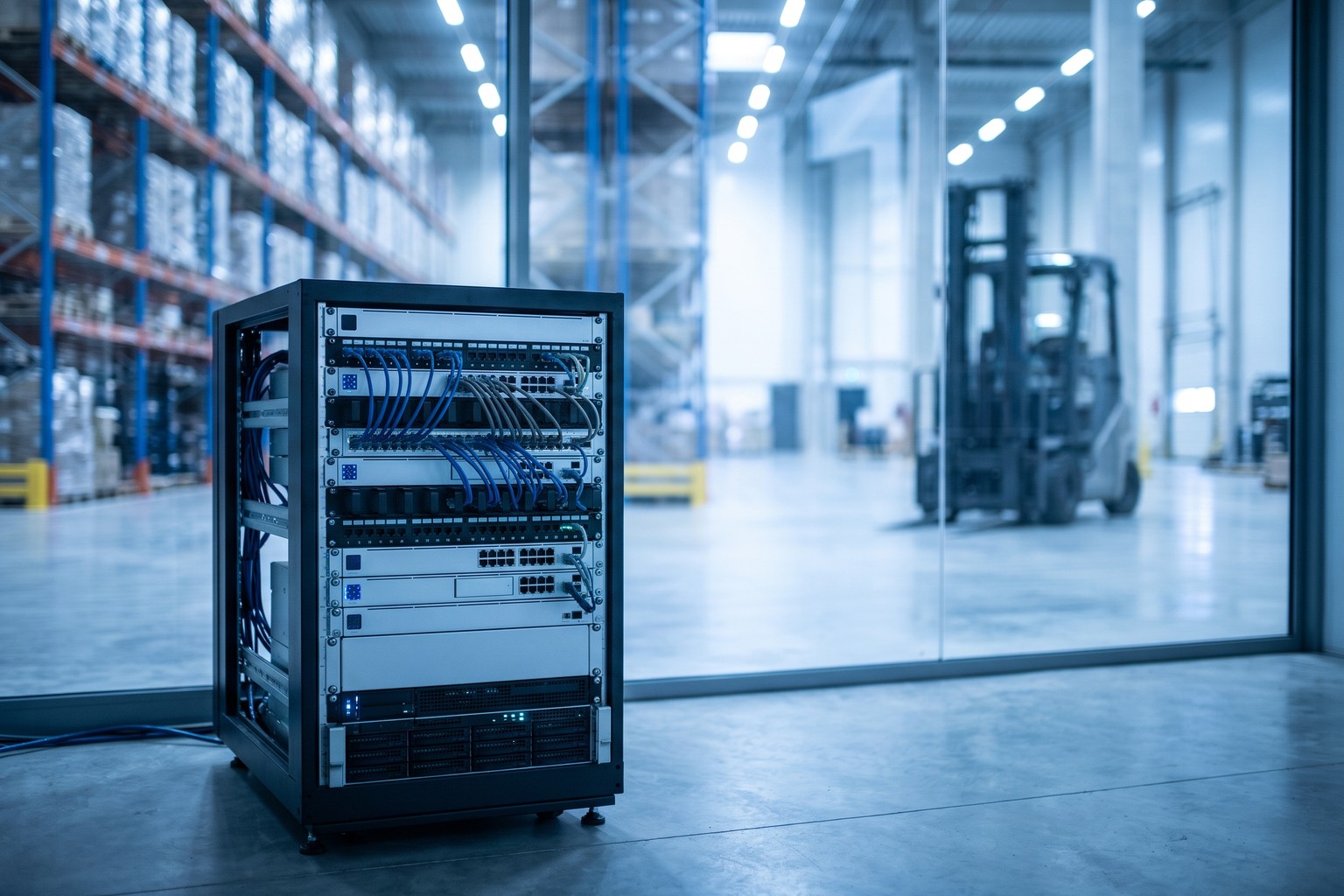
How an AI voice agent for logistics goes live on your network
Pick one dispatch call type
Decide where it runs
Connect the phone lines
Wire the lookups and the handoff
Run the pilot on live calls
Honest fit
Hosted logistics voice tools or a self-hosted agent
Hosted voice tools built for freight are quicker to start. Origins AI ships no logistics template and lists no TMS connector. What it does offer is the deployment itself: the agent runs on your servers or in your own cloud account, an air-gapped mode sends nothing out, you choose the model, and an engineering team stays until the agent answers real calls. That matters most to a carrier, broker or 3PL whose security review asks where shipper and driver call recordings will be stored. If your operation needs call audio and customer records kept inside your own network, that is the trade this page is about.

Why Origins AI
What Origins AI brings to a dispatch voice rollout
Four ways to deploy
On-premise, private cloud in your own account, hybrid or air-gapped. Your IT team starts the review from where call audio actually goes, not from a vendor's shared cloud.
Your stack stays yours
Bring your own language model or use OpenAI, Anthropic, Llama, Mistral or Google. Keep the speech provider you already license, and keep the transcripts on infrastructure you control.
A team on the rollout
A dedicated implementation team works with your operation anywhere in the United States, and stays until the agent is answering real calls in production rather than handing over documents.
Controls your auditors can read
AES-256 at rest, TLS 1.3 in transit, role-based access and a log of every conversation, escalation and action, with timestamps your own reviewers can export and check.
Who deploys the dispatch agent
An AI-augmented engineering company, US-headquartered
Origins AI (originshq.com) is a US-headquartered AI-augmented engineering company that builds and deploys self-hosted enterprise AI and stays on each rollout until it reaches production. Its site names logistics among the industries it targets, alongside healthcare, fintech, retail, manufacturing, travel and telecom. The voice agent runs in 4 deployment modes: on-premise, private cloud in your own account, hybrid or air-gapped. Voice work sits with the same team that delivers data, cloud and application engineering, which matters once an agent has to read from one system and write to another. Origins AI reports 10+ AI experts and 15+ delivered projects, with specialist teams assembled in as little as 72 hours on suitable engagements. The platform supports 20+ languages within a single call and up to 500 concurrent sessions per node, scaling horizontally.
- 4 deployment modesOn-premise to air-gapped
- 20+ languagesWithin a single call
- 500 concurrent sessions per nodeHorizontally scalable
Your questions on an AI voice agent for logistics dispatch
What is an AI voice agent for logistics dispatch?
Will an AI voice agent for logistics dispatch replace our dispatchers?
Which dispatch calls should the agent take first?
Does an AI voice agent for logistics dispatch connect to our TMS?
Can dispatch call audio stay on our own servers?
Can it talk to Spanish-speaking drivers and callers?
How long until an AI voice agent for logistics dispatch takes real calls?
How much does an AI voice agent for logistics dispatch cost?
Not sure where to start?
Bring one dispatch call type and we will tell you plainly whether handing it to an agent is worth the deployment work.
Scope a dispatch voice pilot
Tell us which dispatch call type you want handled and where the agent has to run. We book a 45-minute technical call, walk through the architecture and map a 30-day pilot, with no commitment required.
Tell us about your call volume
Tell us a bit about you and we'll be in touch shortly.